Detailed and Interactive Breakdown of How QR Codes Work
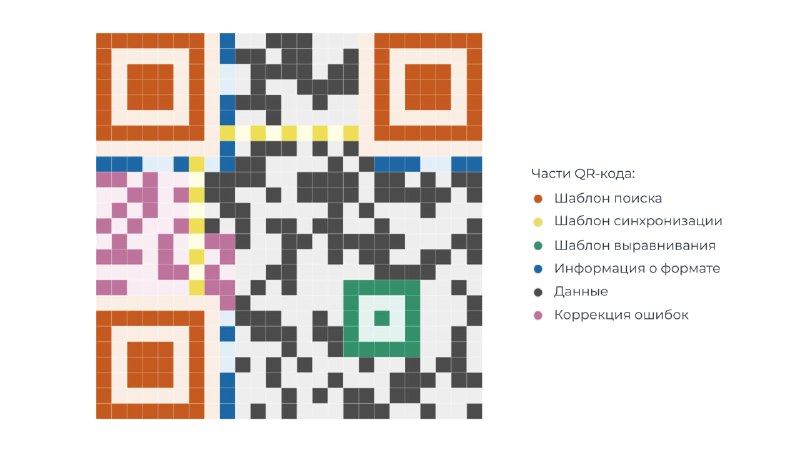
An exploration of how QR codes function, complete with visualizations and examples that explain their operation.
Detailed and Interactive Breakdown of How QR Codes Work
QR codes have become an integral part of our lives, but do you know how they work? In this article, we will explore the fundamentals of QR code functionality, their structure, and recovery mechanisms.
What is a QR Code?
A QR code (Quick Response Code) is a two-dimensional barcode that can store information in the form of black and white squares. It was developed in 1994 by the Japanese company Denso Wave.
Structure of a QR Code
A QR code consists of several elements:
- Three large squares at the corners: they help the scanner determine the orientation of the code.
- Synchronization patterns: these patterns help accurately read the code, even if it is partially damaged.
- Data: the information encoded in the QR code can contain URLs, text, or other data.
Recovery of QR Codes
QR codes have the ability to self-repair. If part of the code is damaged, the scanner can still read the information thanks to built-in error correction mechanisms.
Conclusion
QR codes are not only a convenient way to store information but also a technology that is constantly evolving. Understanding how they work can help you better utilize this technology in everyday life.
Why it matters
AnalysisUnderstanding how QR codes work is crucial for their effective use in business and everyday life. It allows for optimizing processes and enhancing user convenience.
Discuss in community
Share your questions and insights with developers